
Your guide to ultra-fast EV charging
Ready to start powering your electric vehicle in minutes, rather than hours? Whether you’re a daily commuter or a long-distance driver, this guide demystifies the technology behind the UK’s fastest chargers, helping you to maximise efficiency and find the most reliable hubs on the road.
Find a station
What is rapid EV charging?
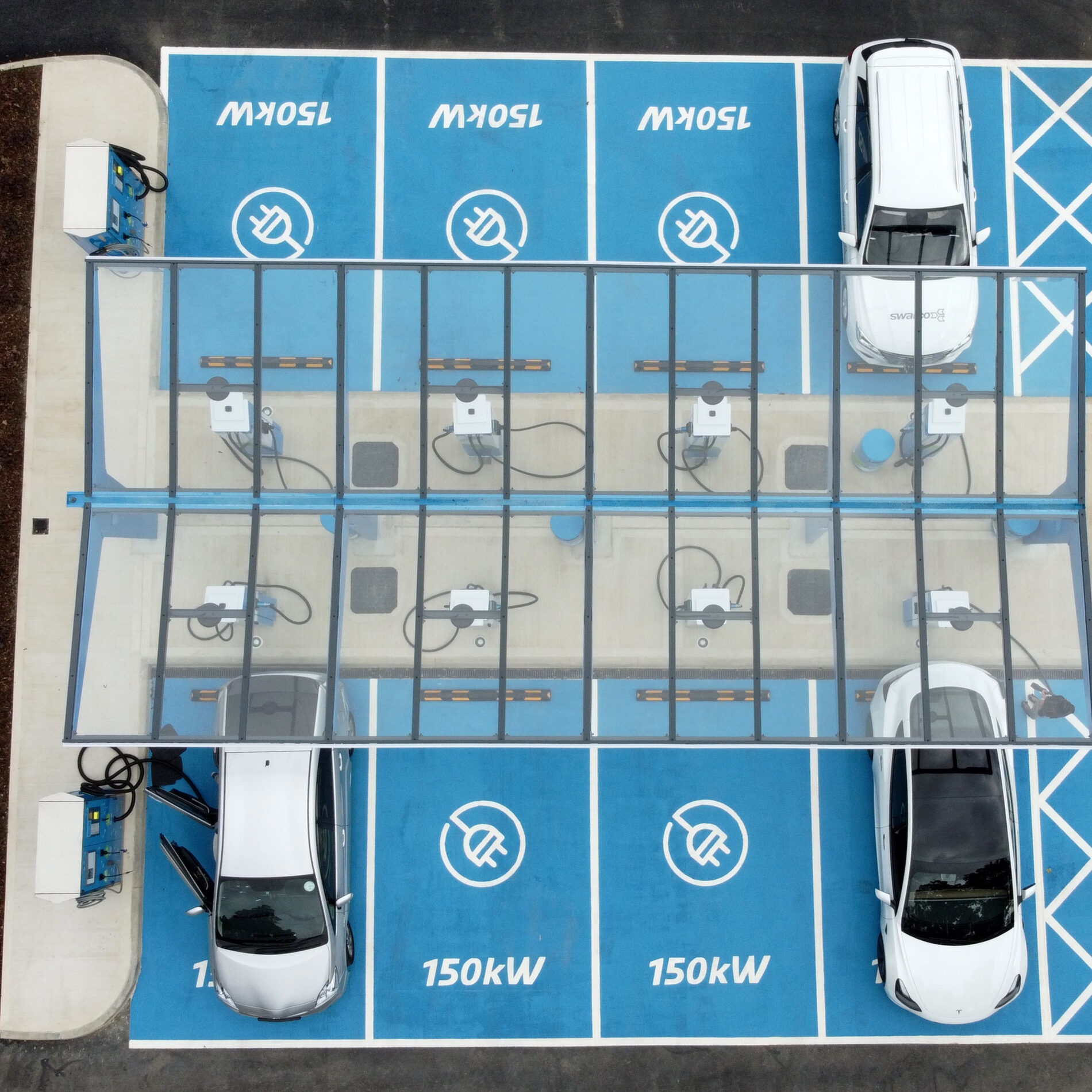
Rapid charging is for EV drivers who need a quick power boost. It’s typically defined as DC (direct current) charging between 50kW and 150kW, which is much faster than the 7kW–25kW chargers found at most homes or workplaces.
AC charging needs your car to convert power internally. Instead, DC charging sends power directly to the battery, bypassing the car’s onboard converter for much higher speeds. For example, a 150kW rapid charger can add approximately 100 miles of range in just 10 minutes.
Comparing EV charging speeds
Understanding the four tiers of charging helps you to plan your journey effectively. While slower chargers are ideal for when your car is sat for hours at home or work, rapid and ultra-rapid chargers are the essential on-the-go option for mid-journey stops.
How long does rapid/ultra-rapid EV charging take?
All EV’s charge at different speeds dependent on the model’s acceptance rate and the vehicles age. This is then also affected by changes in weather conditions, however the table below gives a fair representation of what you can expect.
| Charging Type | Speed (kW) | Typical Time to 80% | Typical Location |
| Slow | 3-7 kW | 6-12 hrs | Home overnight |
| Fast | 7-25 kW | 3-6 hrs | Workplace / depot |
| Rapid | 50-150 kW | 30-60 mins | En-route / retail |
| Ultra-Rapid | 150-400 kW | 10-20 mins | Forecourt / high throughput |
Charging slows down significantly once you reach 80% capacity because your vehicle protects the battery from overheating. That’s why we design our hubs with multiple bays and on-site amenities like coffee and retail, so that even a short charging time is productive and stress-free.
Does rapid charging affect your battery?
Modern Battery Management Systems (BMS) regulate the flow of power automatically, minimising degradation.
To maintain optimal battery health, try to keep your battery between 20% and 80% for daily use. Reserving 100% charges for long trips is the single most impactful habit for longevity. Pre-conditioning your battery via your car’s sat-nav before arrival can further improve efficiency, while it’s also important to consider how weather conditions will affect range. Even though rapid charging is safe, a healthy mix of occasional slower home charging alongside rapid top-ups is good for the long-term health of your vehicle.
How much does rapid EV charging cost?
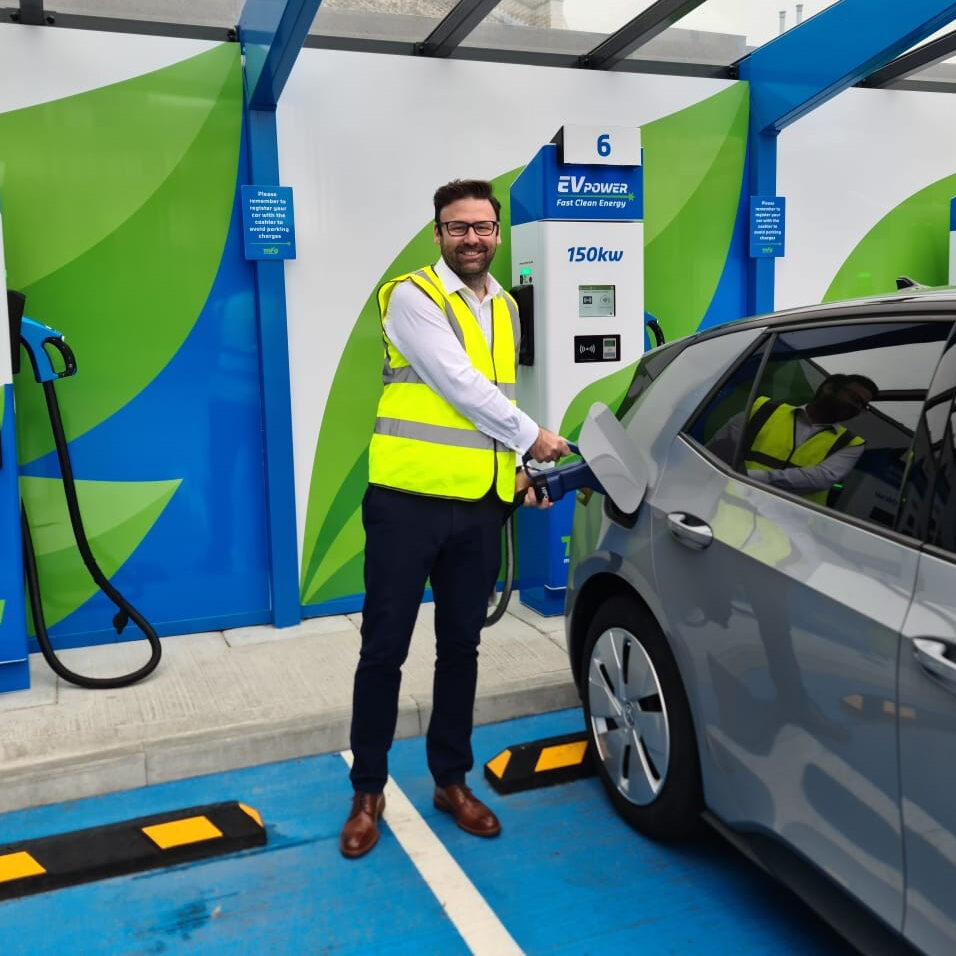
Rapid and ultra-rapid charging carry a higher price per kWh than slow home charging, with our tariff typically ranges from 69p to 79p/kWh depending on location and speed. Our transparent, fuss-free experience requires no subscriptions and you can pay instantly via contactless card or the MFG Connect App.
Can Any Electric Car Use a Rapid Charger?
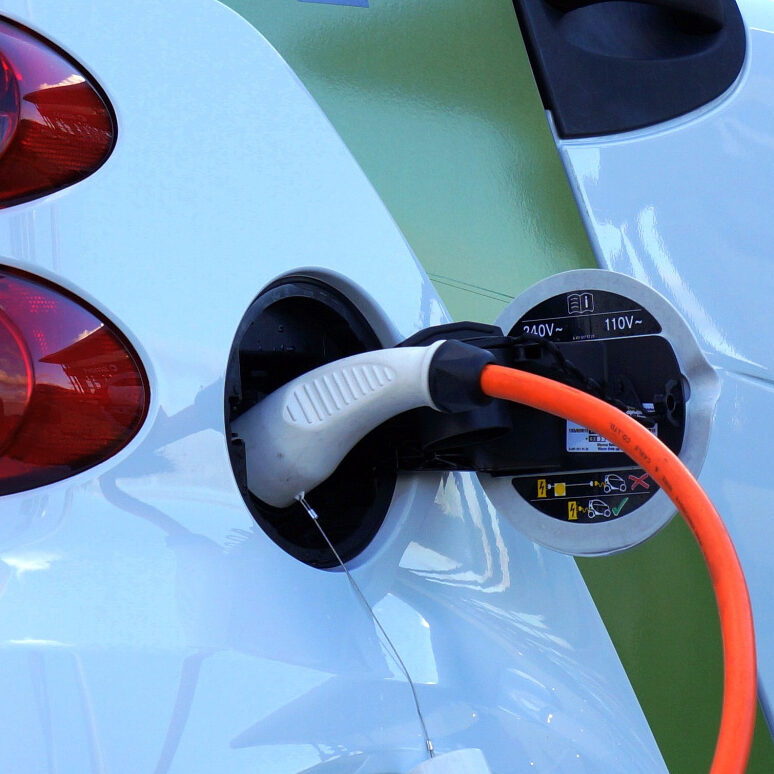
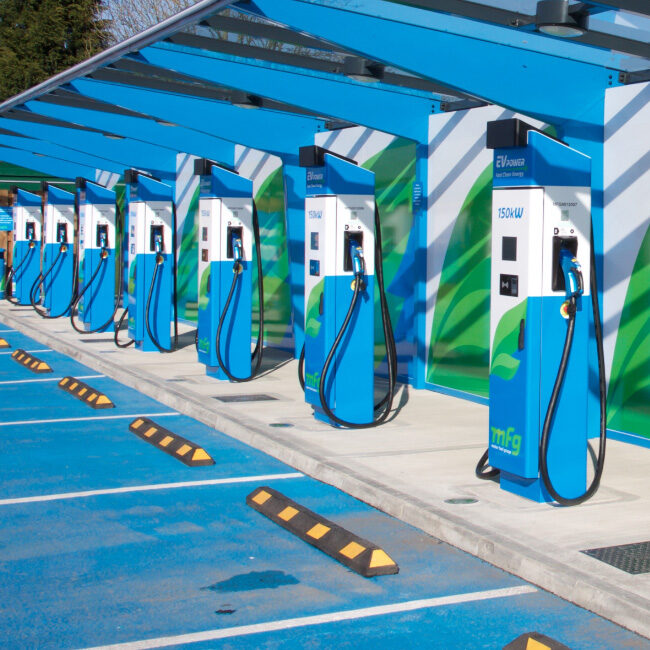
Not every EV is built for high-speed charging. Most modern cars use the CCS connector, which is the UK standard for DC rapid charging. Some older models use CHAdeMO, which is available at some of our locations.
Your vehicle’s BMS will ensure it only draws its maximum supported rate, so it won’t damage the car, but also won’t charge any faster. It’s important to always check your owner’s manual to confirm your vehicle’s maximum acceptance rate.
How to find a rapid EV charger
Finding a reliable hub is easy with the MFG Connect App or by using our Station Finder. We operate over 570 rapid or ultra-rapid charging sites across the UK, conveniently located on busy roadside forecourts and Morrisons car parks.
Other helpful tools include Zapmap, Octopus Electroverse and Google Maps.
Rapid or ultra-fast?
Each option serves a different need. For Individual Drivers, rapid is perfect for a lunch break or grocery shop. Ultra-rapid is more suitable when you need to be back on the road quickly.
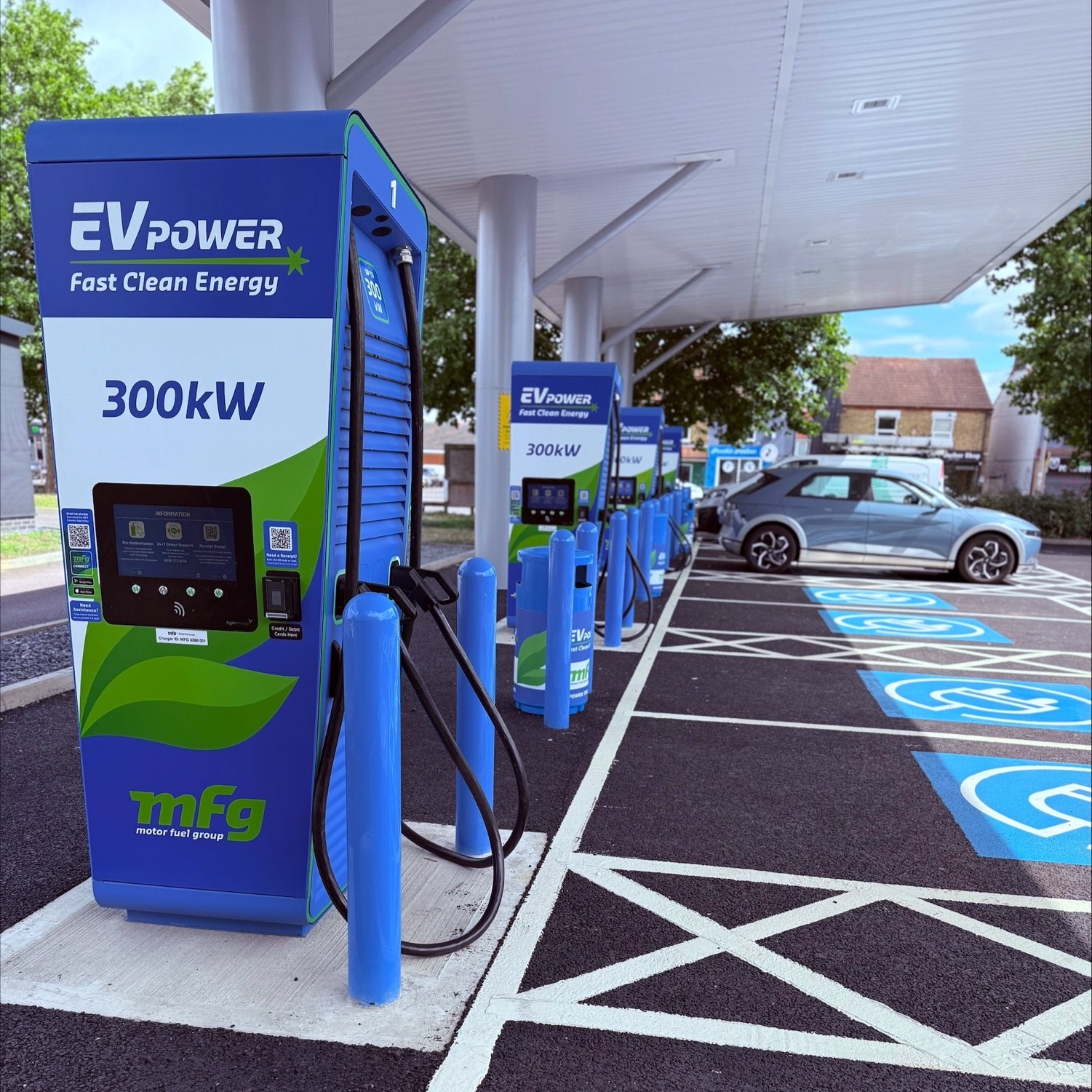
For Fleets, rapid charging is great for opportunistic charging, while ultra-rapid is vital for high-mileage, multi-shift operations where every minute of downtime matters. We support both, with 570+ of our sites featuring either rapid or ultra-rapid chargers.
Rapid EV charging for fleets and businesses
Our large-scale network across forecourts and Morrisons car parks is ideal for fleets that don’t rely on a central depot. We support a wide range of partners, including Radius, Trafineo and Octopus, making it easy for drivers to use a single fuel card or app across our hubs.
Rapid EV Charging – Frequently Asked Questions
-
Rapid charging typically delivers between 50kW and 150kW of power. Ultra-rapid charging provides 150kW+. While both use DC power, ultra-rapid charging can significantly reduce wait times for compatible vehicles.
-
Your charging time is influenced by your car’s maximum intake, current battery level and the charger’s speed. The UK average battery size is 68kWh, with ultra-rapid bays charging at an average of 63kW. That means a typical 20-minute charge will add 35% battery.
-
Yes, 50kW is the entry point for rapid DC charging. While slower than 150kW ultra-rapid units, it is still much faster than standard 7kW home chargers and is perfectly suited for locations where you might spend up to an hour.
-
No, modern Battery Management Systems (BMS) regulate the energy flow to prevent damage. Studies show no significant difference in long-term degradation between frequent rapid charging and slow charging, especially if you charge your vehicle to 20-80%.
-
MFG’s prices range from 69p to 79p per kWh. We offer a transparent pay-as-you-go model with no subscription fees, allowing you to pay via contactless card or the MFG Connect App. Prices may vary depending on location and charger speed.
-
You can find all of our 500+ rapid or ultra-rapid charging hubs via the MFG Connect App or our Station Finder. Third-party apps like Zapmap and Google Maps also list our sites and provide real-time availability.
We’re proud to be the UK’s largest independent forecourt operator, powering your journey across 500+ rapid or ultra-rapid charging sites. We’re committed to making the transition to electric as simple, fast, and sustainable as possible.